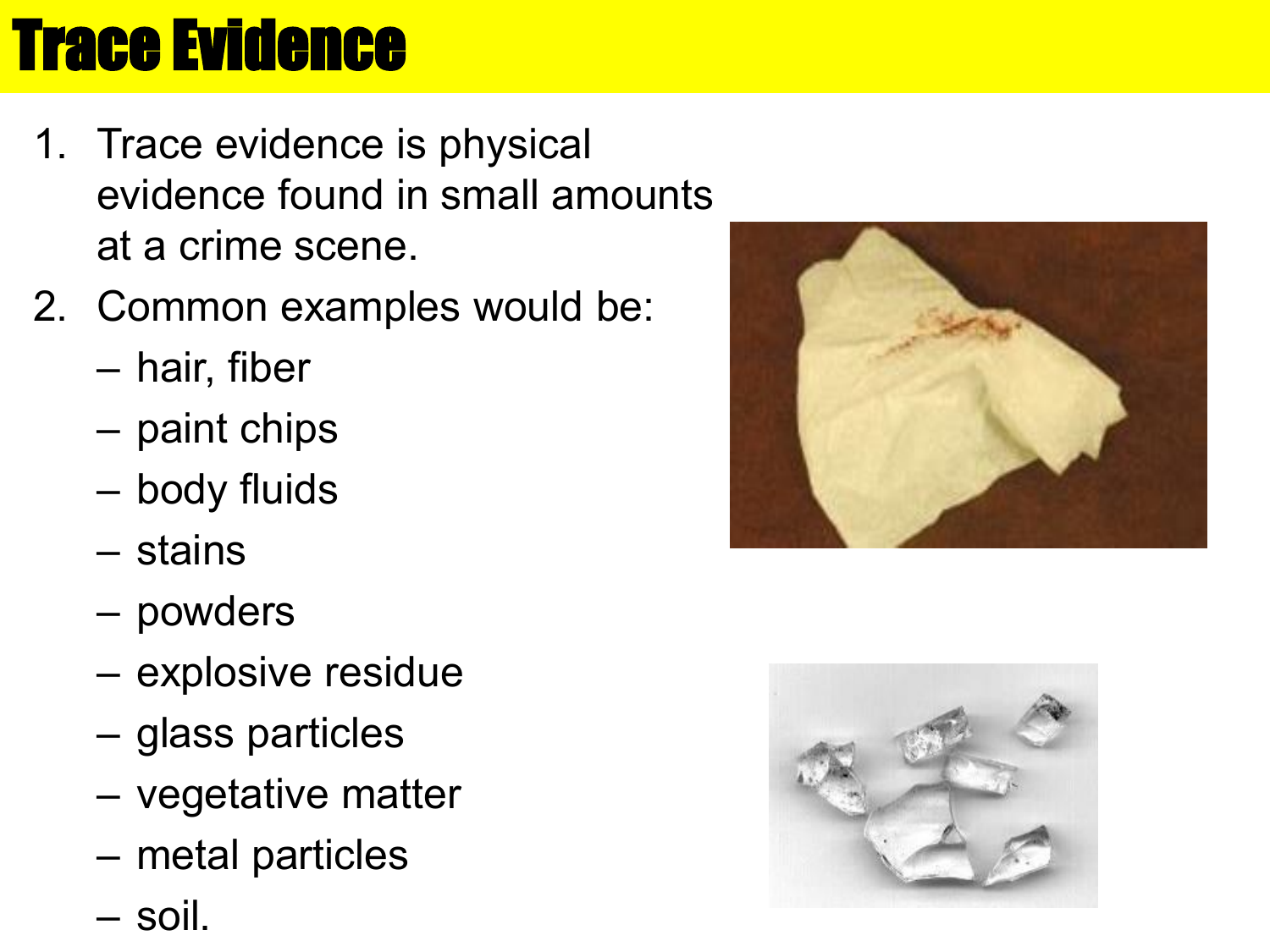
Trace Evidence Analysis

In this lesson, we will delve into the fascinating world of trace evidence analysis within the field of forensic science. Trace evidence refers to materials that are transferred from one person to another during contact. By studying trace evidence, forensic scientists can uncover vital information in criminal investigations, such as identifying the source of an ink stain or determining the authenticity of a document.

During the course of this lesson, we will explore various techniques used in trace evidence analysis, including microscopy, chromatography, and spectroscopy. By understanding the science behind these methods, we can better comprehend how forensic scientists are able to extract valuable information from seemingly insignificant traces of evidence. Through hands-on activities and case studies, students will gain a deeper appreciation for the critical role that trace evidence analysis plays in solving crimes.

Key Lesson Concepts:

  • Trace evidence refers to materials transferred during contact
  • Techniques include microscopy, chromatography, and spectroscopy
  • Hands-on activities and case studies enhance learning

Trace evidence analysis is a pivotal aspect of forensic science, focusing on the identification and comparison of minute materials transferred during the commission of a crime. This discipline operates on Locard's Exchange Principle, which posits that "every contact leaves a trace," meaning that perpetrators can both leave behind and pick up trace materials at a crime scene.

Foster Freeman

Types of Trace Evidence:

  • Fibers: These can originate from clothing, carpets, or other textiles and are often transferred through direct contact.
  • Hair: Human or animal hair can link a suspect or victim to a particular location or individual.
  • Glass: Fragments from broken windows or containers can provide information about the events during a crime.
  • Paint: Chips or smears, especially in hit-and-run cases, can be matched to specific vehicles or objects.
  • Soil: Unique compositions of soil can place a suspect at a specific location.
  • Gunshot Residue (GSR): Particles from discharged firearms can indicate whether an individual has recently fired a weapon.

Collection and Preservation:

The meticulous collection and preservation of trace evidence are crucial to prevent contamination and ensure integrity. Techniques include:

  • Handpicking: Using forceps to collect visible evidence.
  • Tape Lifting: Applying adhesive tapes to surfaces to lift trace particles.
  • Vacuuming: Specialized vacuums collect evidence from larger areas, though this method is less discriminative and may gather extraneous material.
  • Combing: Employed to retrieve hair or fibers from individuals.

Each sample is carefully packaged in appropriate containers, labeled, and documented to maintain the chain of custody.

Forensic Science Simplified

Analytical Techniques:

Once in the laboratory, various analytical methods are employed to examine trace evidence:

  • Microscopy: Instruments like stereomicroscopes and scanning electron microscopes (SEM) allow for detailed examination of evidence morphology and composition.
  • Spectroscopy: Techniques such as infrared spectroscopy and mass spectrometry identify the chemical makeup of samples.
  • Chromatography: Separates components of complex mixtures, aiding in the identification of substances like paints or fibers.


Some key notes of the importance of this study is outlined here; One crucial aspect of forensic science is trace evidence analysis, which plays a significant role in investigations. Trace evidence refers to small, often microscopic, pieces of material that are transferred during the commission of a crime. These can include fibers, hair, glass, paint, soil, or other materials that can provide valuable information about the events surrounding a case. Analyzing trace evidence can help establish connections between individuals, objects, and locations involved in a crime scene, aiding investigators in building a timeline and understanding what transpired.

Trace evidence analysis is essential in forensics as it can provide substantial leads and strengthen a case. For example, the analysis of fibers found on a victim's clothing can connect them to a suspect or a specific location. Likewise, the comparison of soil samples can help determine where someone has been or where an object originated. By meticulously examining and comparing trace evidence, forensic scientists can uncover valuable information that may not be apparent through other means, ultimately helping to solve cases and bring perpetrators to justice.

Furthermore, trace evidence analysis can be crucial in linking suspects to crime scenes or victims. For instance, the presence of glass fragments on clothing or skin can indicate a break-in or physical altercation. Similarly, DNA evidence found on a weapon can tie a suspect directly to a crime. By analyzing trace evidence collected from various sources, forensic experts can create a detailed picture of events, providing insights that can be pivotal in solving complex cases. Overall, trace evidence analysis is a cornerstone of forensic science, offering valuable insights that can make a significant difference in criminal investigations.

Trace Evidence - Forensic Experts5 Examples Trace EvidenceTrace EvidenceExamples of Trace Evidence - Forensic's blogTrace Evidence Analysis - Trace Evidence Analysis Forensic Evidence Any ...
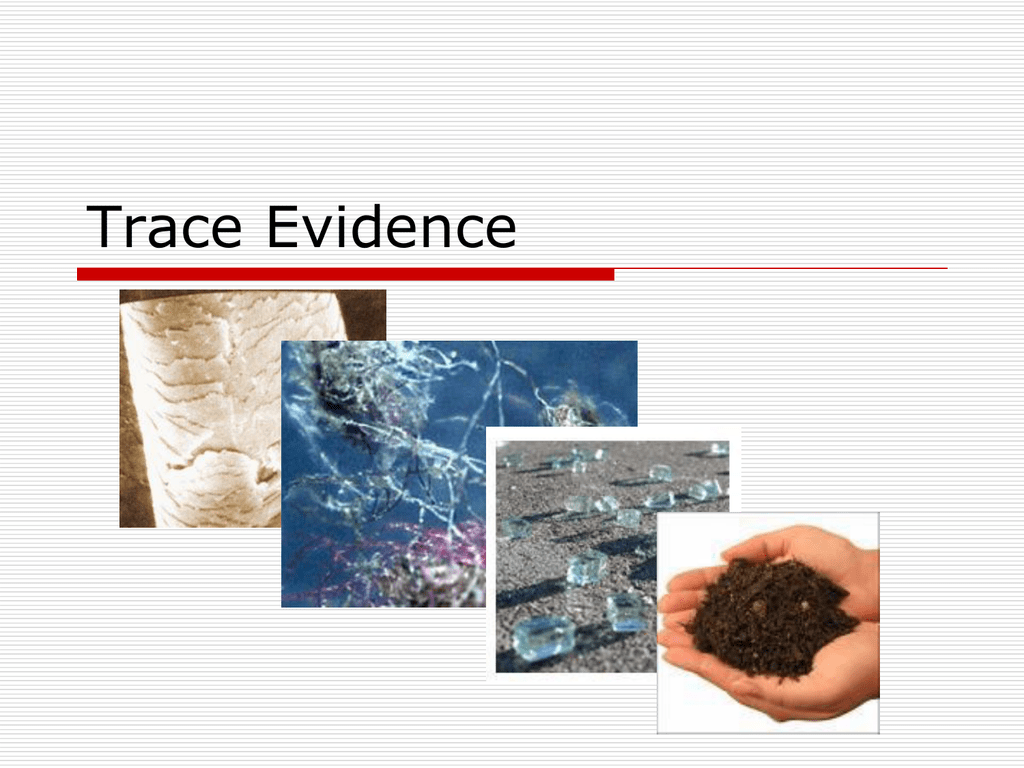
Trace evidence refers to small pieces of material that are transferred between people, objects, or the environment during a crime. This evidence is crucial in forensic investigations as it can help link a suspect to a crime scene or victim. Examples of trace evidence include fibers, hairs, paint chips, glass fragments, soil, and gunshot residue. Each type of trace evidence can provide valuable information about the circumstances surrounding a crime. For instance, fibers from a suspect's clothing found at a crime scene can indicate their presence at the scene.

Fibers are one of the most common types of trace evidence encountered in forensic science. Textile fibers can be sourced from clothing, carpets, or other fabrics and can be transferred during physical contact between individuals or between a person and their environment. By examining the color, type, and chemical composition of fibers found at a crime scene, forensic scientists can determine potential sources and make connections to suspects or objects. Additionally, the analysis of fibers can help establish timelines of events and reconstruct how a crime may have occurred.

Hairs are another important form of trace evidence. Hair evidence is unique to each individual and can provide valuable information about a suspect's identity. Examination of the root of a hair can determine if it was forcibly removed, while the shaft and tip can reveal details about the individual's health, lifestyle, or genetic characteristics. By comparing hair found at a crime scene to known samples from suspects or victims, forensic scientists can establish links and strengthen their case. Overall, trace evidence plays a vital role in forensic investigations by providing valuable insights that can help solve crimes and bring perpetrators to justice.

Lesson Summary

Trace evidence analysis in the field of forensic science focuses on identifying and comparing materials transferred during criminal activities. This analysis is based on Locard's Exchange Principle, which states that every contact leaves a trace. Key concepts include:

  • Trace evidence includes fibers, hair, glass, paint, soil, and gunshot residue.
  • Collection and preservation methods are crucial for maintaining evidence integrity.
  • Techniques like microscopy, chromatography, and spectroscopy are used for analysis.

Types of trace evidence such as fibers, hair, glass, paint, soil, and gunshot residue serve as valuable clues in investigations:

  • Fibers can link individuals through clothing or textiles.
  • Hair can provide identity and location links.
  • Glass fragments offer insights into events during a crime.
  • Paint can indicate links to vehicles or other objects.
  • Soil compositions can place suspects at specific locations.
  • Gunshot residue reveals recent firearm usage.

Methods of collection and preservation involve meticulous handling and packaging. Analytical techniques like microscopy, spectroscopy, and chromatography aid in examining trace evidence, uncovering valuable information in criminal cases.

Trace evidence analysis is essential in forensic science, providing leads and solidifying cases. It helps establish connections between individuals, objects, and locations, aiding in building timelines and understanding crime incidents. By analyzing trace evidence meticulously, forensic scientists can reveal critical details that contribute significantly to solving cases and bringing offenders to justice. Trace evidence is a foundational aspect of forensic science, offering crucial insights that enhance criminal investigations.

Complete and Continue  
Discussion

0 comments