Ballistics and Firearm Analysis
Ballistics and firearm analysis is a crucial aspect of forensic science that focuses on the examination of firearms, ammunition, and the impact of bullets. This branch of forensic science helps investigators understand how firearms function, the trajectories of bullets, and the patterns they create upon impact. By analyzing this information, forensic experts can determine the type of firearm used, the distance from which a shot was fired, and even the direction of the bullet's path.
During a ballistics and firearm analysis, forensic scientists examine various components such as bullet casings, gunshot residue, and bullet fragments. Through a series of tests and evaluations, they can match bullets to specific firearms, identify the brand and caliber of ammunition used, and reconstruct shooting incidents. This information is crucial in criminal investigations to link a suspect to a crime scene, determine the sequence of shots fired, and provide evidence in court cases.
Key Lesson Concepts:
- Ballistics and firearm analysis focuses on the examination of firearms, ammunition, and the impact of bullets.
- Forensic experts determine the type of firearm used, the distance from which a shot was fired, and the direction of the bullet's path during analysis.
- By examining bullet casings, gunshot residue, and bullet fragments, forensic scientists can match bullets to specific firearms, identify the brand and caliber of ammunition used, and reconstruct shooting incidents.
Ballistics and Firearm Analysis: An Expert Overview
Ballistics and firearm analysis is a critical discipline in forensic science, involving the study of firearms, ammunition, and the projectiles they discharge. This field provides essential insights into criminal investigations, enabling forensic experts to reconstruct shooting incidents, identify weapons used, and link suspects to crime scenes. The science of ballistics is divided into three primary categories: internal, external, and terminal ballistics, each offering unique investigative value.
Key Disciplines of Ballistics
1. Internal Ballistics
- Definition: Examines processes occurring within the firearm from the ignition of the primer to the bullet's exit from the barrel.
- Key Factors Studied:
- Propellant combustion and gas pressure dynamics.
- Bullet acceleration and barrel friction.
- Effects of barrel length and rifling on projectile velocity.
- Applications: Identifies firearm malfunctions, evaluates the effect of custom modifications, and analyzes misfires.
2. External Ballistics
- Definition: Focuses on the projectile's flight path after leaving the firearm barrel.
- Key Factors Studied:
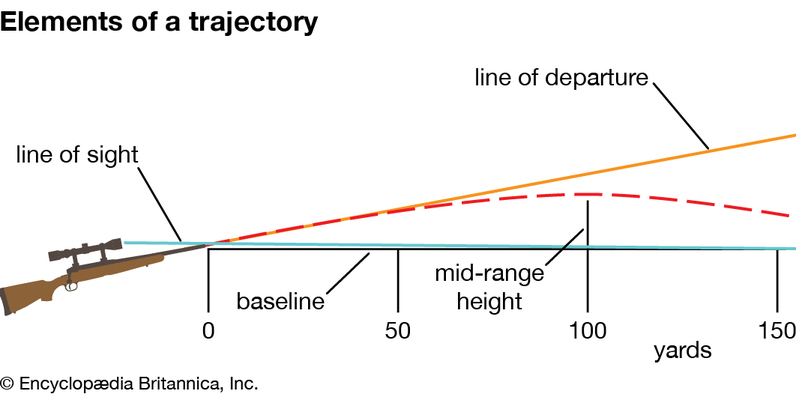
- Projectile velocity, air resistance, and trajectory.
- Environmental influences such as wind, humidity, and gravity.
- Applications: Calculates the bullet’s point of impact, reconstructs shooting angles, and determines effective ranges.
3. Terminal Ballistics
- Definition: Investigates the interaction between the projectile and its target, including penetration, energy transfer, and wound patterns.
- Key Factors Studied:
- Entry and exit wounds, trajectory through tissue.
- Fragmentation and deformation of bullets.
- Applications: Assists in determining the cause of death, reconstructing bullet paths in victims, and linking bullet damage to specific firearms.
Firearm and Toolmark Analysis
Firearm Identification
- Objective: Establishes whether a specific firearm discharged a recovered bullet or cartridge casing.
- Process:
- Examination of rifling marks, breech face impressions, firing pin indentations, and ejector marks.
- Use of comparison microscopes to match unique striations or toolmarks.
Ammunition Analysis
- Components Analyzed:
- Cartridge casings: Ejector and extractor marks, primer strikes.
- Bullets: Rifling impressions and surface striations.
- Gunpowder residues: Presence of unburned powder indicating shooting distance.
Key Techniques and Tools in Ballistics
1. Comparison Microscopy
- Enables side-by-side examination of bullets or casings to identify matching toolmarks.
- Provides a definitive method for linking ammunition to a firearm.
2. Ballistic Imaging Systems
- Systems like the National Integrated Ballistic Information Network (NIBIN) catalog toolmarks from firearms and ammunition for database matching.
- Facilitates the identification of weapons used in multiple crimes.
3. Gunshot Residue (GSR) Analysis
- Detects trace elements such as barium, antimony, and lead on hands or clothing of suspects.
- Uses techniques like scanning electron microscopy (SEM) to confirm residue composition.
4. Trajectory Reconstruction
- Utilizes laser technology, stringing methods, or computer modeling to recreate bullet paths.
- Determines shooter positions, angles, and potential obstructions.
Applications in Criminal Investigations
- Linking Evidence to Suspects
- Matching recovered bullets or casings to specific firearms found in a suspect’s possession.
- Connecting GSR evidence to individuals at the crime scene.
- Reconstructing Shooting Incidents
- Determining the number of shots fired, shooter locations, and victim positioning.
- Assessing self-defense claims or accidental discharge scenarios.
- Mass Shootings and Serial Offenders
- Identifying weapons used in multiple incidents through ballistic evidence.
- Profiling patterns of firearm use in serial shootings.
Challenges and Advances in Ballistics Analysis
Challenges:
- Toolmark Uniqueness Debate: Ongoing scrutiny over the scientific reliability of toolmark analysis.
- Degraded Evidence: Difficulty analyzing deformed or fragmented bullets.
- Contamination: Risks of GSR contamination compromising analysis.
Advances:
- 3D Ballistic Imaging: Enhanced accuracy in matching toolmarks with three-dimensional imaging.
- Advanced Modeling Software: Simulation tools for more precise trajectory and terminal ballistics analysis.
- Microbial Ballistics: Emerging research into microbial signatures on bullets to link them to specific environments.
Case Study: The Beltway Sniper Investigation
- During the infamous Beltway sniper attacks (2002), ballistic analysis played a pivotal role in identifying the weapon, a Bushmaster XM-15 rifle.
- Toolmark evidence linked casings recovered from crime scenes to the suspect's firearm.
- Ballistic trajectory analysis helped confirm shooter positioning from a modified vehicle trunk.
Conclusion
Ballistics and firearm analysis remain an indispensable domain of forensic science, offering detailed insights into the mechanics of firearm use and their implications in criminal cases. Through the integration of traditional expertise and cutting-edge technology, this field continues to advance, ensuring greater precision and reliability in solving complex investigations.
Ballistics and firearm analysis are critical components of forensic science, focusing on the examination of firearms, ammunition, and the dynamics of projectiles. Educational materials and case files often include detailed images to illustrate these concepts.
Educational Resources:
- Forensic Ballistics Presentations: Slide presentations used in forensic science courses often contain images of bullet impacts, firearm tool marks, and the processes involved in ballistic analysis. These visuals aid in understanding the principles of internal, external, and terminal ballistics.
- About Forensics
- Online Courses and Tutorials: Educational platforms and forensic institutes provide online courses featuring images and videos that demonstrate firearm examination techniques, ballistic trajectory analysis, and the use of comparison microscopes in matching bullets to firearms.
- Edinbox
Case File Examples:
- Ballistics Image Processing: Research articles and case studies often include images that showcase the methodologies used in firearm identification, such as the analysis of striations on bullets and cartridge cases. These images demonstrate how forensic experts match evidence to specific firearms.
- Office of Justice Programs
- Forensic Reports: Official forensic reports from criminal investigations may contain photographs of recovered bullets, cartridge casings, and firearms, along with microscopic images highlighting unique tool marks. These visuals are crucial for documenting evidence and supporting expert testimony in court.
- Criminal Justice
For a more immersive learning experience, some educational institutions offer virtual labs and interactive modules that allow students to engage with simulated crime scenes and perform virtual ballistic analyses. These tools often include detailed graphics and animations to enhance understanding.
In summary, educational materials and case files in the field of ballistics and firearm analysis are rich with images that depict the intricate processes involved in forensic examinations. These visuals serve as valuable tools for both learning and practical application in forensic investigations.
Recent Developments in Forensic Ballistics Analysis
Firearms expert made false statement in missing campers case
Lesson Summary
Ballistics and firearm analysis are crucial aspects of forensic science, focusing on the examination of firearms, ammunition, and the impact of bullets. This discipline helps investigators in understanding various elements related to firearms and bullet trajectories, aiding in criminal investigations by identifying weapons used, linking suspects to crime scenes, and providing evidence in court cases. During this analysis, forensic scientists examine bullet casings, gunshot residue, and bullet fragments to match bullets to specific firearms, identify the type and brand of ammunition used, and reconstruct shooting incidents.
- Key Lesson Concepts:
- Focus on examining firearms, ammunition, and bullet impact.
- Determine firearm type, shooting distance, and bullet path direction.
- Examine bullet casings, residue, and fragments for analysis.
- Match bullets to firearms, identify ammunition, and reconstruct shootings.
Ballistics and firearm analysis are instrumental in criminal investigations, enabling experts to reconstruct shooting incidents, identify weapons, and link suspects to crime scenes. The science is categorized into internal, external, and terminal ballistics, each providing valuable investigative insights. The discipline delves into various factors and applications within these categories to aid forensic investigators in solving complex cases.
- Key Disciplines of Ballistics:
- Internal Ballistics:
- Examines firearm processes.
- Studies propellant combustion, barrel friction effects, and more.
- Applications include identifying malfunctions and analyzing modifications.
- External Ballistics:
- Focuses on projectile trajectory after leaving the barrel.
- Studies projectile velocity, environmental influences, and more.
- Calculates point of impact and determines shooting angles.
- Terminal Ballistics:
- Investigates projectile-target interaction.
- Studies entry wounds, bullet trajectory, and more.
- Assists in determining cause of death and linking bullet damage to firearms.
- Internal Ballistics:
Forensic analysis also includes firearm and toolmark examinations, ammunition analysis, and the use of specific techniques and tools such as comparison microscopy, ballistic imaging systems, GSR analysis, and trajectory reconstruction. These methodologies aid in linking evidence to suspects, reconstructing shooting incidents, and identifying weapons used in crimes.
- Key Techniques and Tools in Ballistics:
- Comparison Microscopy for identifying matching toolmarks.
- Ballistic Imaging Systems like NIBIN for cataloging toolmarks.
- Gunshot Residue Analysis to detect trace elements.
- Trajectory Reconstruction using laser technology or modeling tools.


0 comments